-e_9VwpcP.svg)
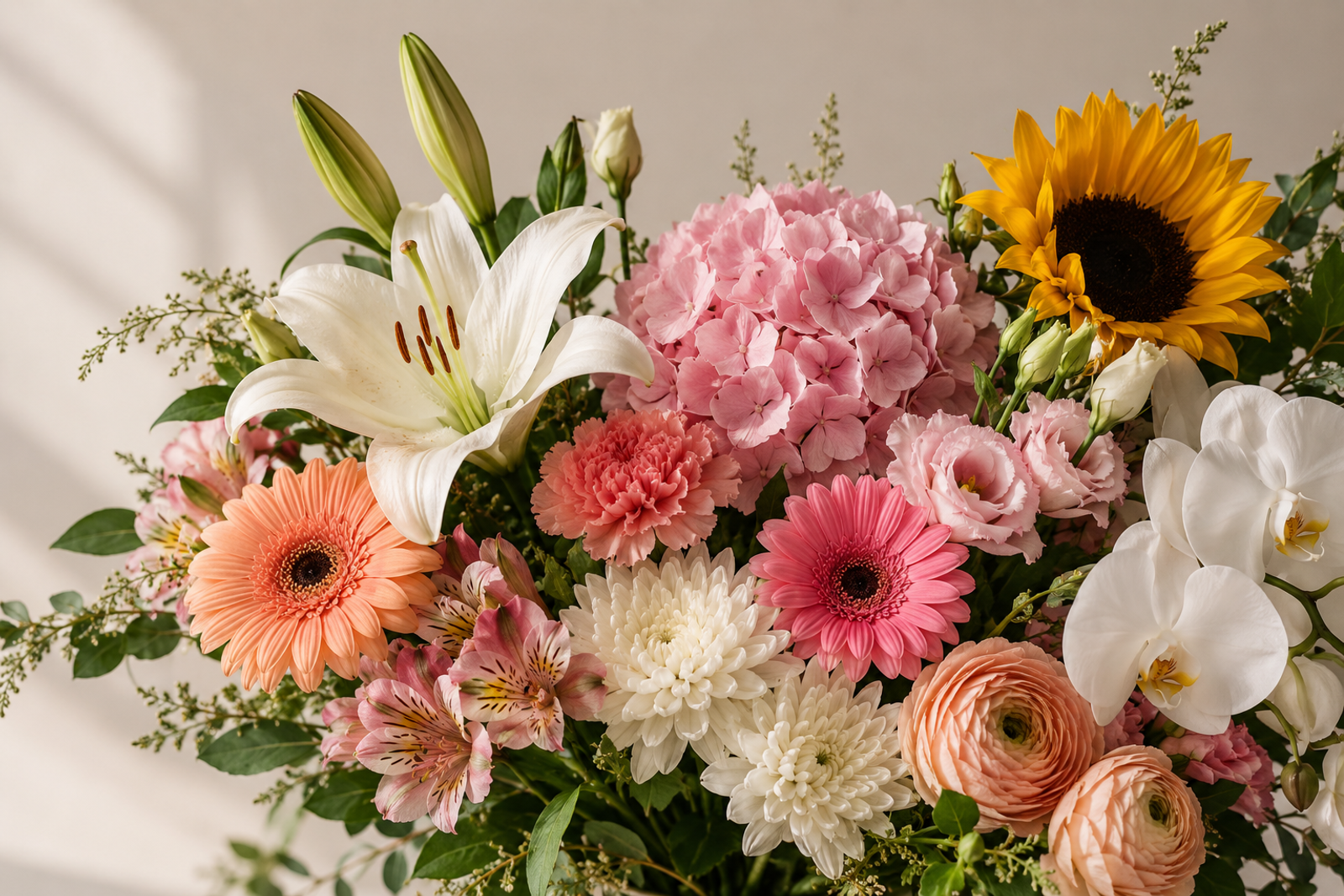
Roses are probably the first flowers that come to mind when you think about buying someone a bouquet. And it is easy to understand why. They are beautiful, widely available, come in an impressive range of colours, and have become almost synonymous with the act of giving flowers.
Maybe this is not the popular opinion, but I have a personal beef with red roses. Before you come for me, I said red roses—not roses in general. I just think we have given the red ones enough attention. But anyway, let me not start that conversation today.
There are, however, so many other flowers worth getting to know. Some are just as beautiful, some have remarkably long vase lives, and others can completely transform the look and feel of a bouquet simply by being part of it.
So, if red roses are usually your first choice, here are ten other flowers worth becoming familiar with.
1. Lilies
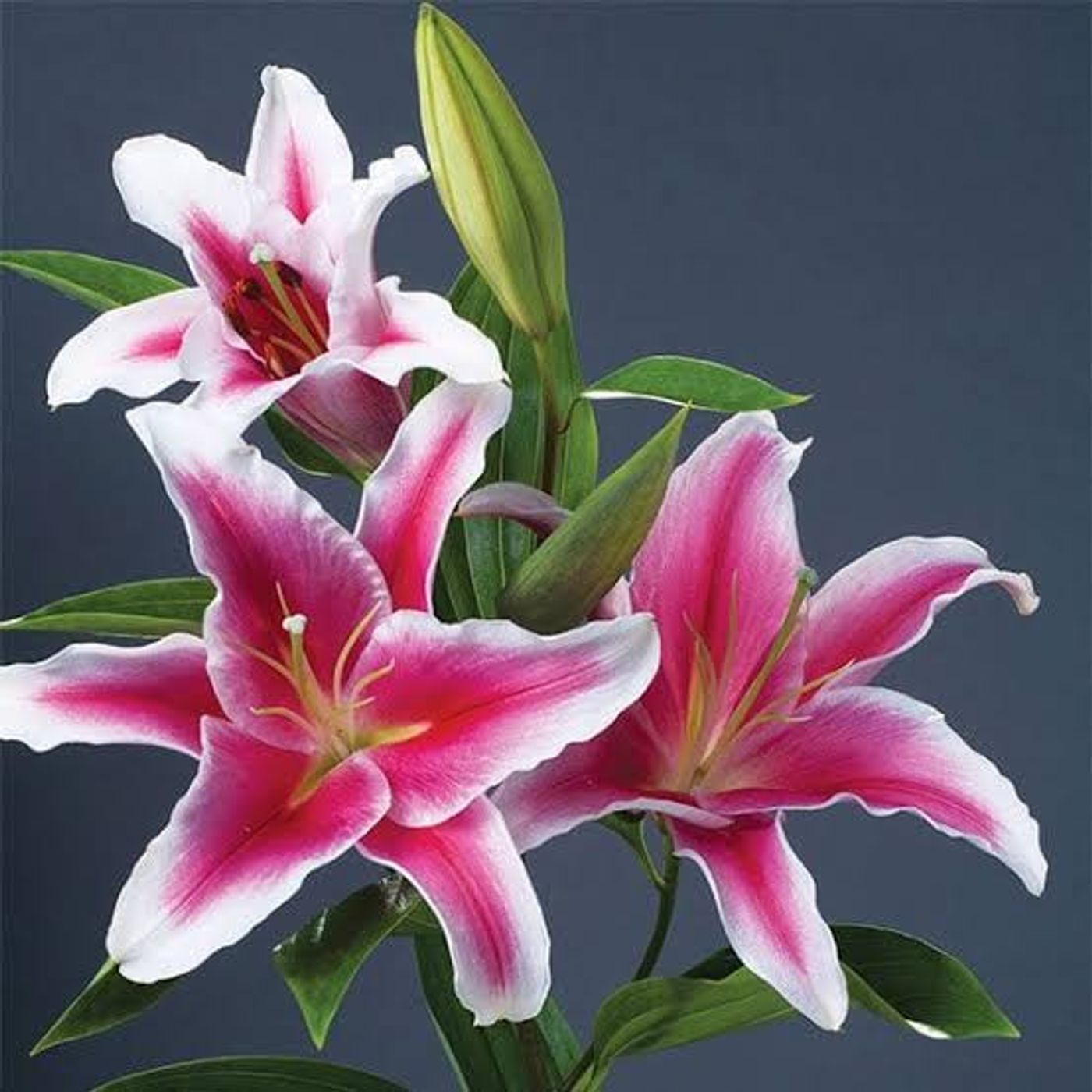
If you want a flower that makes its presence known, lilies are difficult to overlook.
They are large, elegant and, depending on the variety, beautifully fragrant. You do not necessarily need many stems to make a bouquet feel full, striking and intentional.
Lilies also have a distinctive way of changing as they bloom. You may receive an arrangement with some flowers still in bud, only to watch them gradually open over the following days. This means the bouquet can take on an entirely different appearance as it matures.
2. Hydrangeas
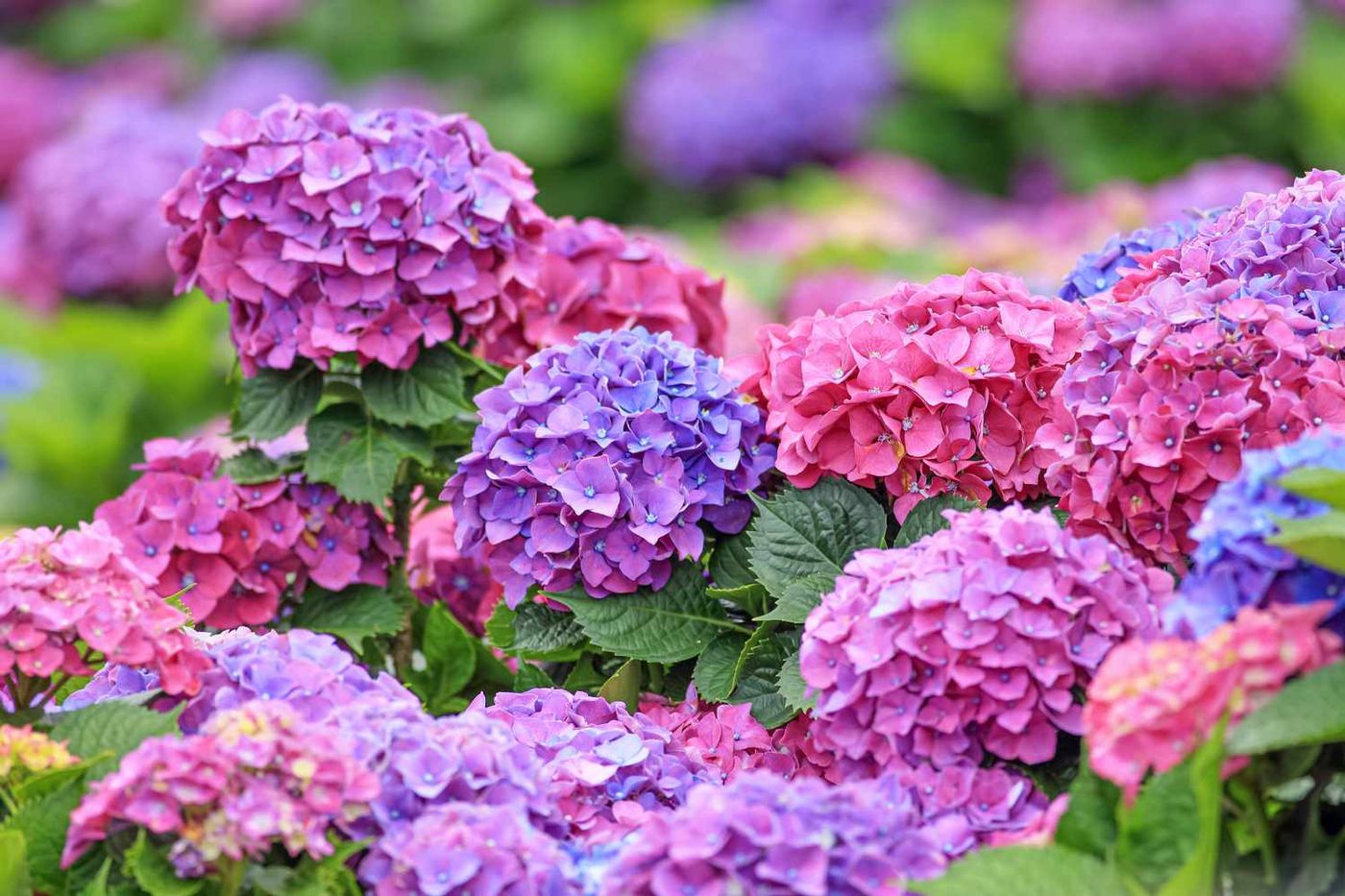
Hydrangeas are responsible for some of the fullest, most generous-looking bouquets you will see.
Each flower head is made up of numerous small blooms clustered closely together, creating the lush, cloud-like appearance that makes hydrangeas so distinctive.
They are also particularly thirsty flowers. In warm climates such as Nigeria, hydrangeas can lose their freshness relatively quickly if they are not adequately hydrated, making proper handling and care especially important.
Their size also makes them useful for creating volume. A few well-placed hydrangea stems can make an arrangement appear considerably fuller without requiring hundreds of individual flowers.
3. Sunflowers
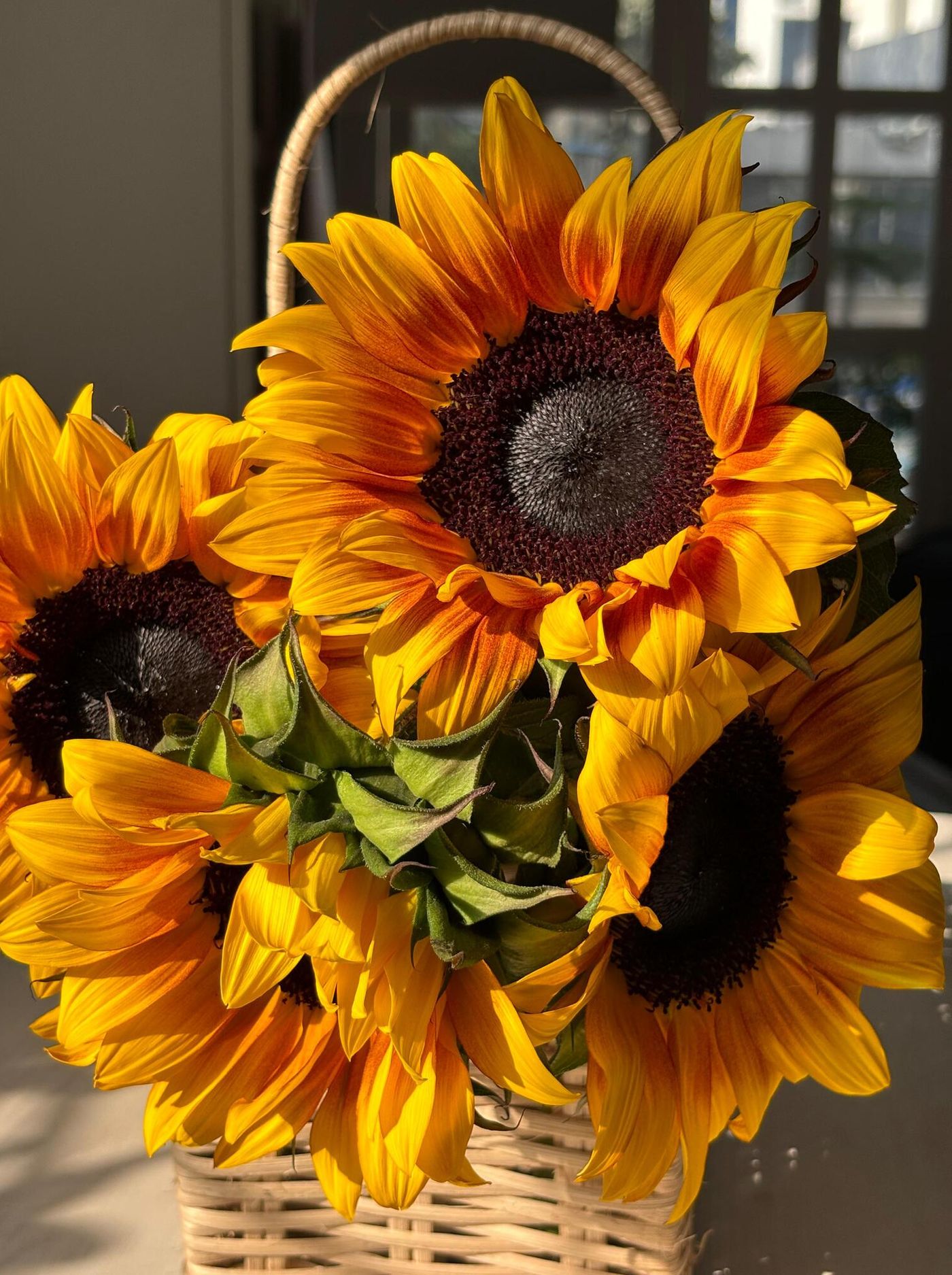
Sunflowers are probably the least likely flower on this list to need an introduction.
They are popular, cheerful and instantly recognisable. Even a single sunflower can alter the mood of an entire arrangement.
What makes them particularly appealing is their refusal to be subtle. They are bold, bright and full of personality.
Yet, despite their size and visual impact, sunflowers do not necessarily have to dominate an arrangement. Pairing them with softer blooms, delicate foliage or more muted colours can create an interesting contrast between boldness and softness.
4. Carnations
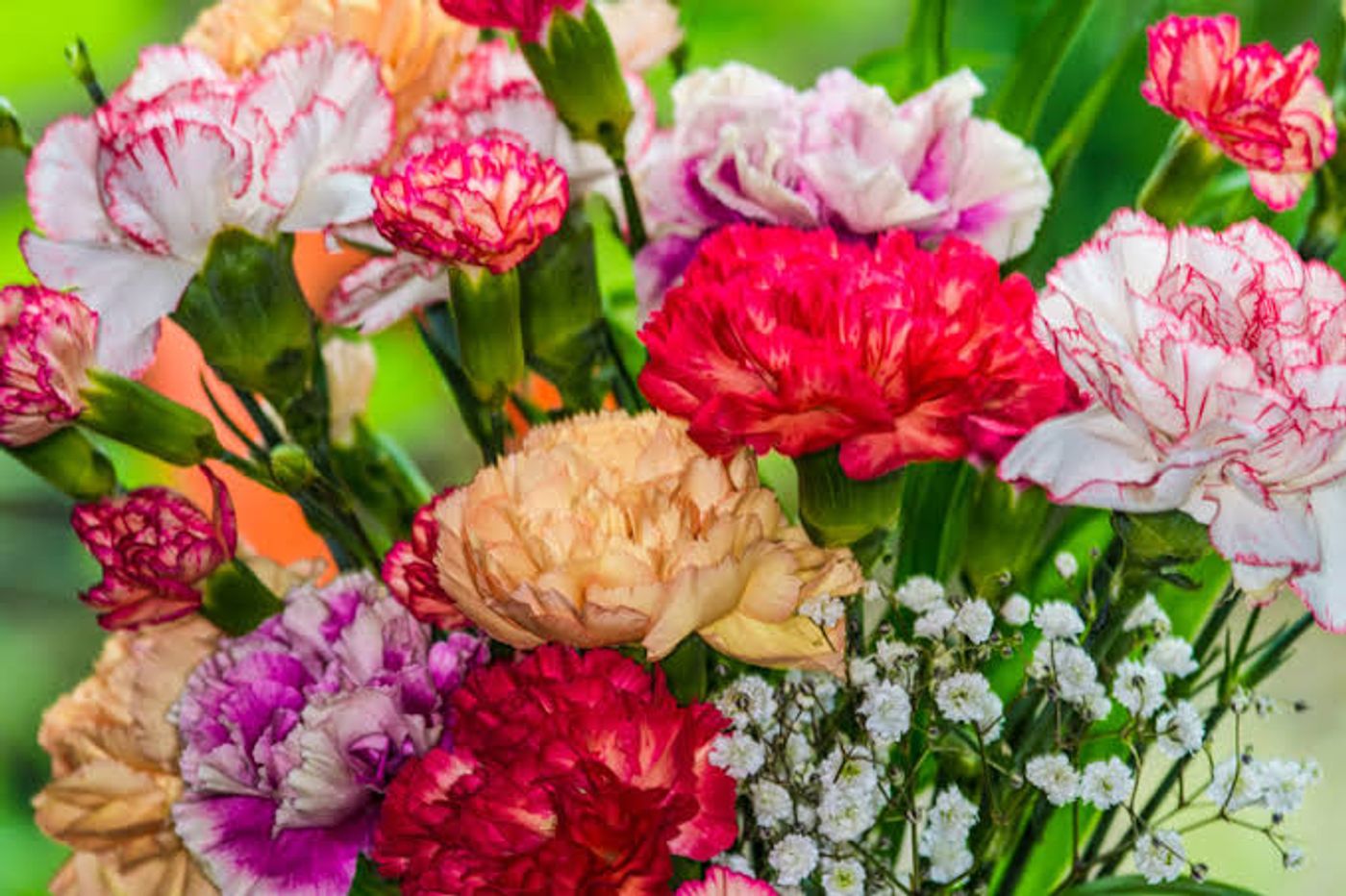
Carnations do not always receive the credit they deserve.
They have been a staple of floristry for generations, and perhaps because of their familiarity, they can sometimes be overlooked. But there is plenty to appreciate about them. They are available in a wide range of colours, have a distinctive ruffled appearance and can perform well as cut flowers when properly cared for.
They are also remarkably versatile in mixed arrangements. A skilled florist can use carnations to introduce colour, texture and fullness without making a bouquet feel overcrowded.
So, if you have never given carnations a second look, perhaps it is time to start.
5. Chrysanthemums
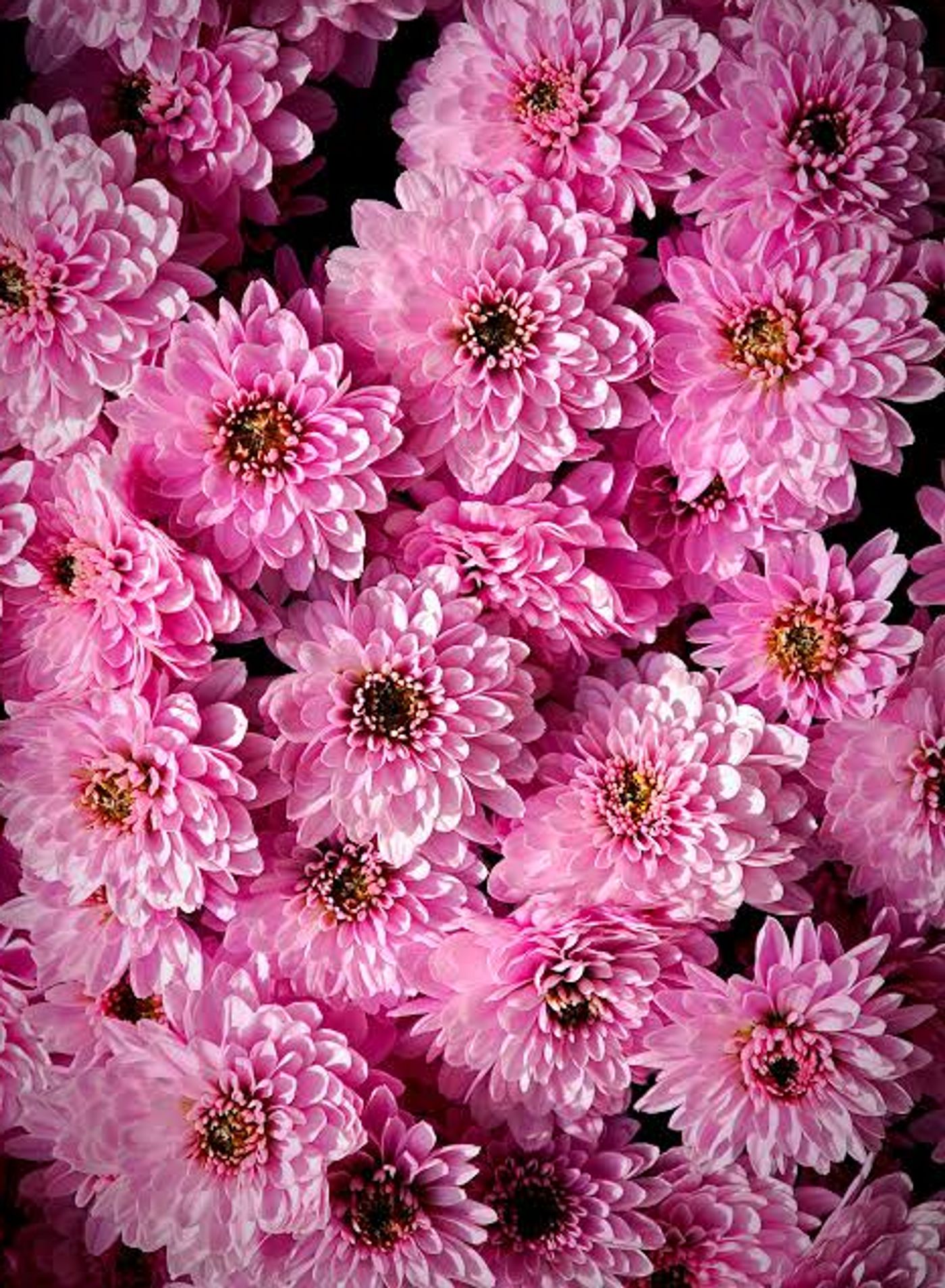
Chrysanthemums, commonly called mums, come in an impressive variety of forms.
Some have large, rounded blooms, while others are smaller and delicate enough to function as filler flowers. They are also available in a broad spectrum of colours, making them remarkably versatile in floral design.
The exact variety available can depend on season, supplier and local availability. So, if you order a bouquet and your florist recommends a particular chrysanthemum as an alternative to another flower, it may be worth considering before dismissing the suggestion.
Sometimes, the flower you did not originally have in mind is exactly what an arrangement needs.
6. Gerberas
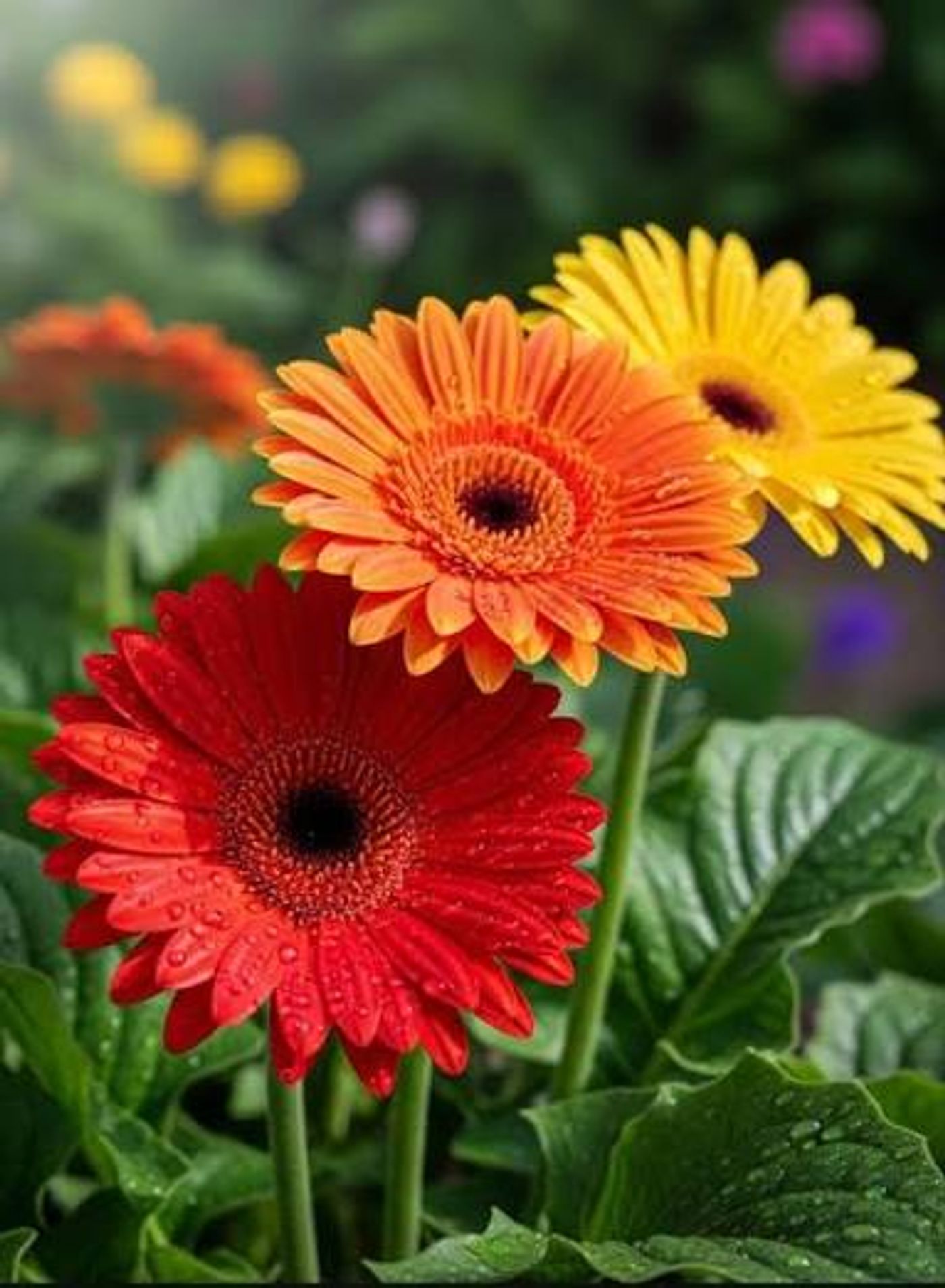
Gerberas have a remarkable ability to make a bouquet feel instantly cheerful.
Their bright colours, clean daisy-like form and wide range of shades—from pink and orange to yellow and red—make them easy to recognise and difficult to ignore.
They are particularly useful when you want to introduce colour without making an arrangement feel overly complicated. Because they are available in so many shades, they can also be incorporated around a recipient's favourite colour or a specific colour palette.
Gerberas are playful without feeling childish, which is part of their appeal.
7. Lisianthus
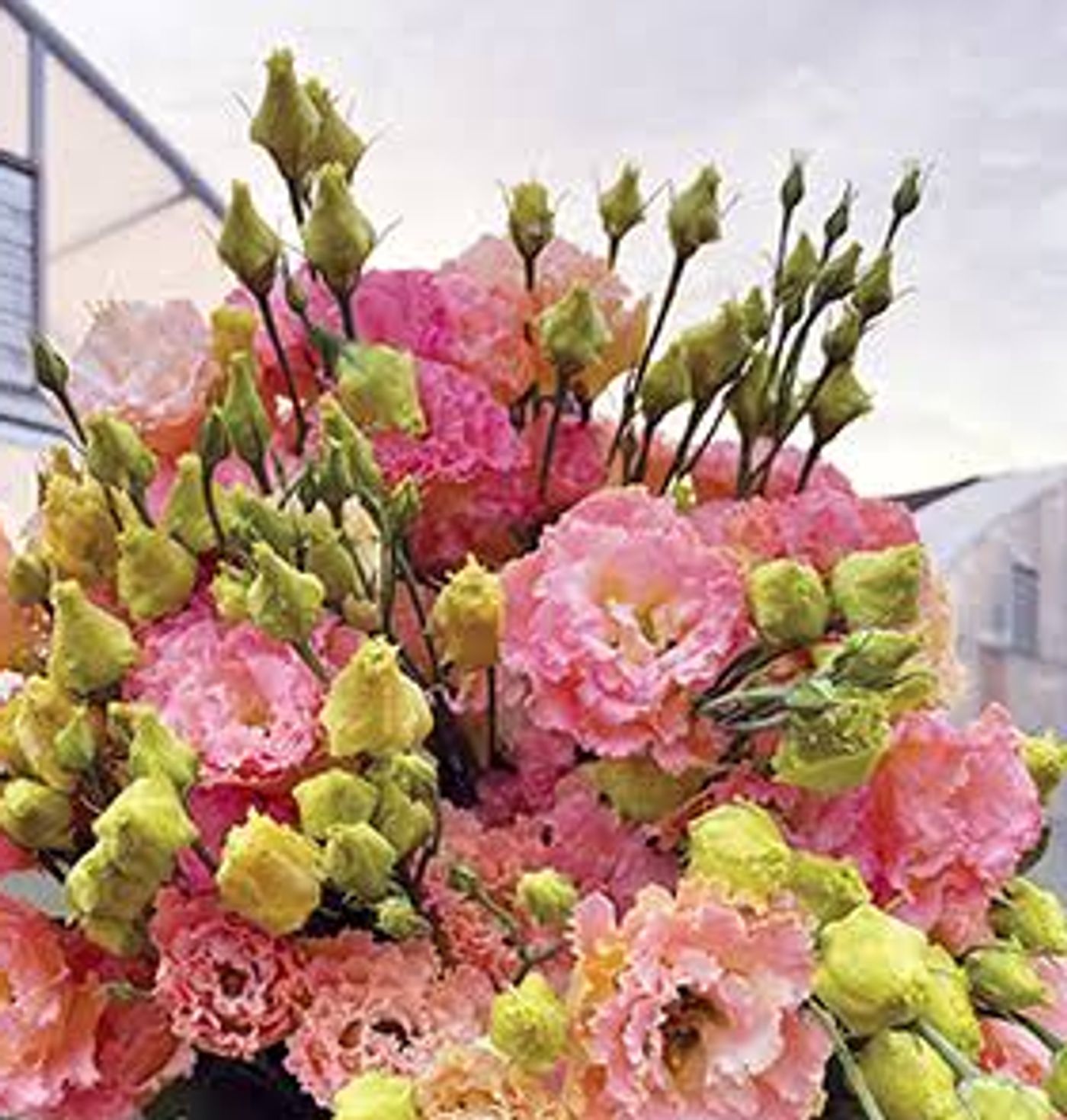
Lisianthus is one of those flowers that can easily be mistaken for something else at first glance.
Its soft, ruffled blooms can resemble roses, but they have a more delicate and relaxed appearance. This makes lisianthus particularly beautiful in arrangements where you want softness and movement rather than a bouquet that feels highly structured.
A single stem can also carry several flowers and buds at different stages of development, giving the arrangement a sense of depth and movement as the blooms gradually open.
If you love the softness of roses but want something less conventional, lisianthus is worth considering.
8. Alstroemeria
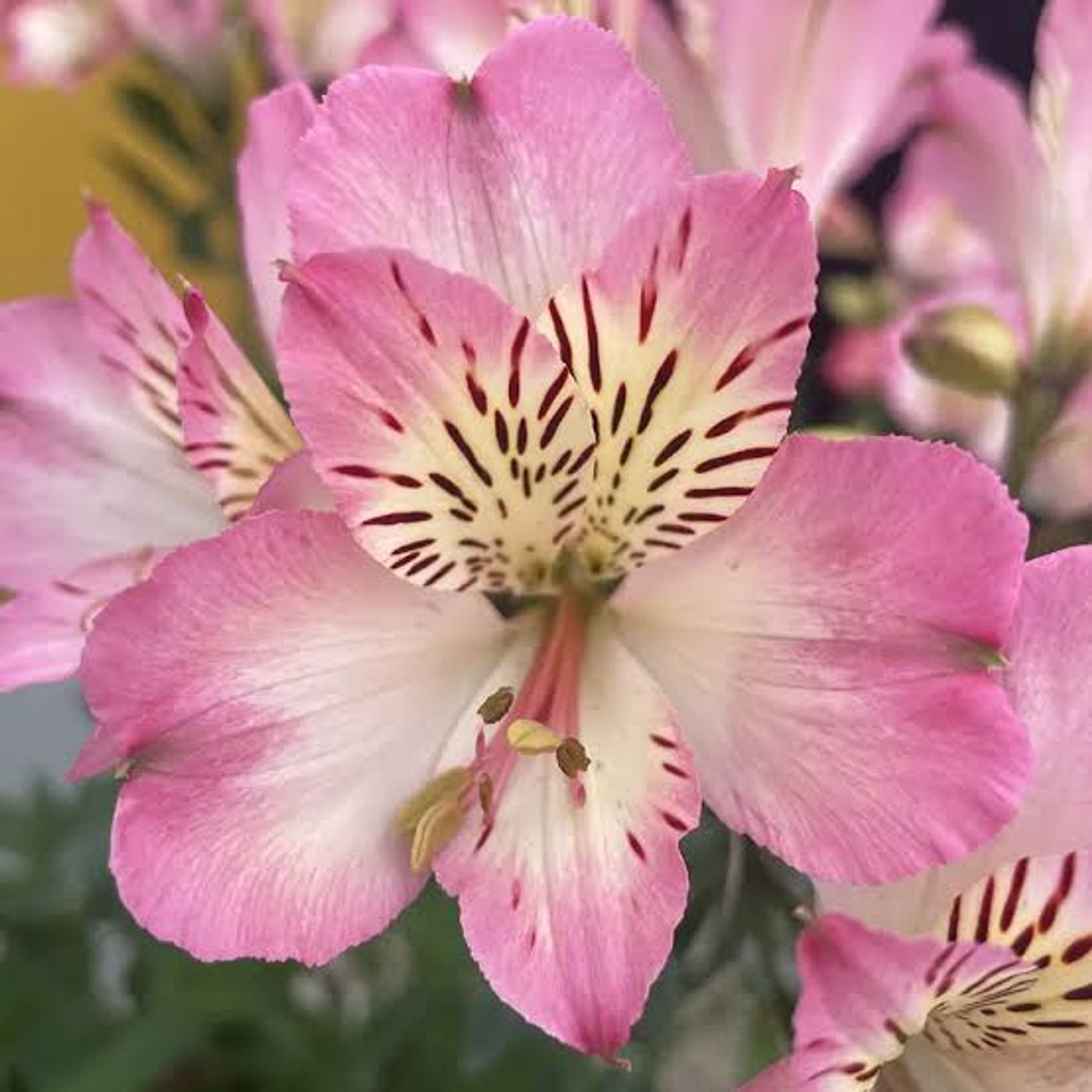
Alstroemeria may not be the first flower that comes to mind when you think of a bouquet, but there is a good chance you have encountered it more often than you realise.
Its stems typically carry several smaller blooms, making alstroemeria particularly useful for introducing colour and fullness to an arrangement.
It is also valued for its relatively long vase life when properly cared for, making it a practical choice for anyone who wants their flowers to remain fresh and attractive for longer.
It may not always be the star of the arrangement, but that does not make it any less important.
9. Orchids
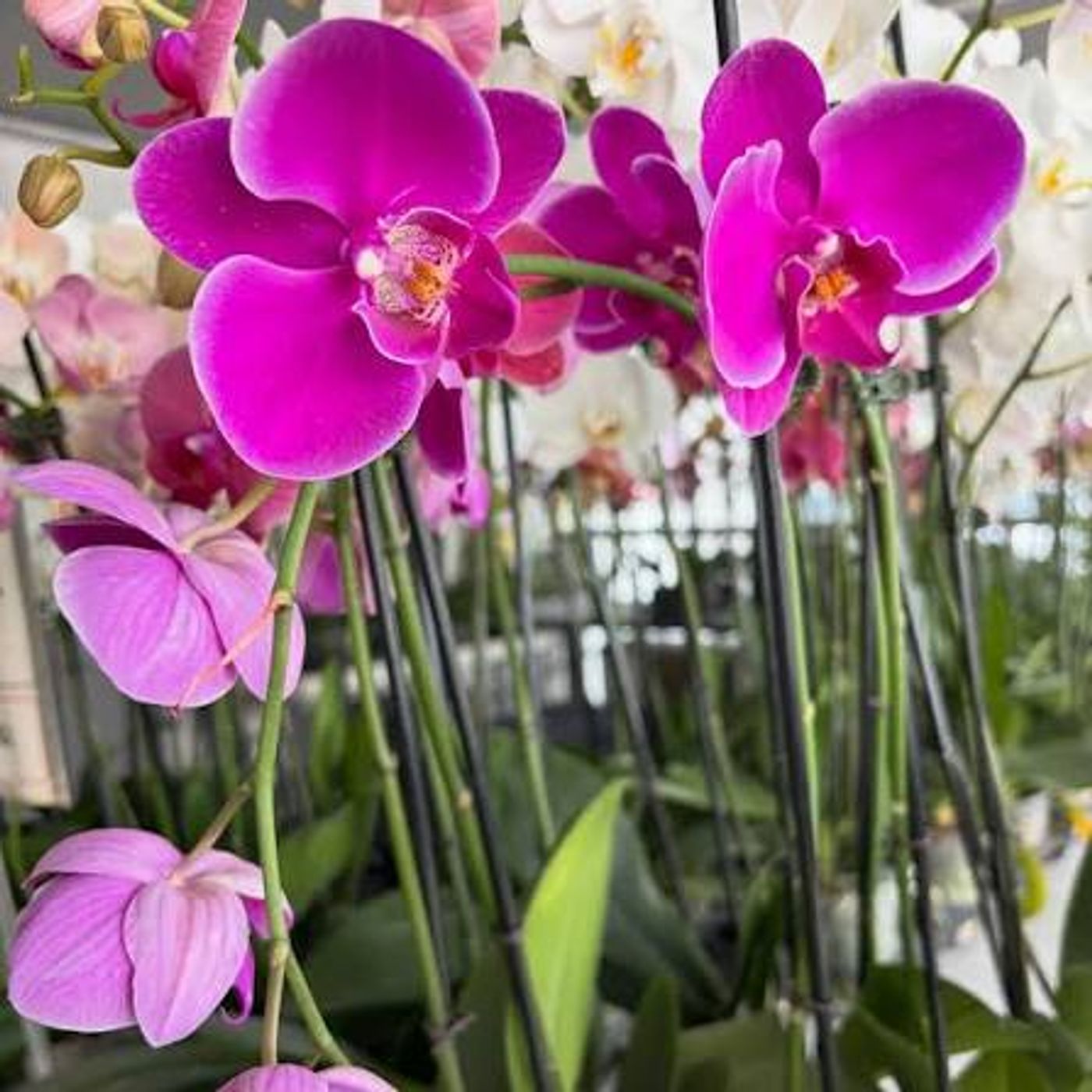
Orchids have an entirely different kind of beauty.
Their distinctive shapes, clean lines and unusual blooms create an elegance that feels markedly different from the traditional rose bouquet.
They are also worth considering beyond the context of cut flowers. Orchids are commonly sold as potted plants, allowing the recipient to continue caring for them long after the initial blooms have faded.
That makes them particularly appealing as gifts for people who enjoy plants or prefer something they can keep and nurture rather than a bouquet that eventually fades.
10. Ranunculus
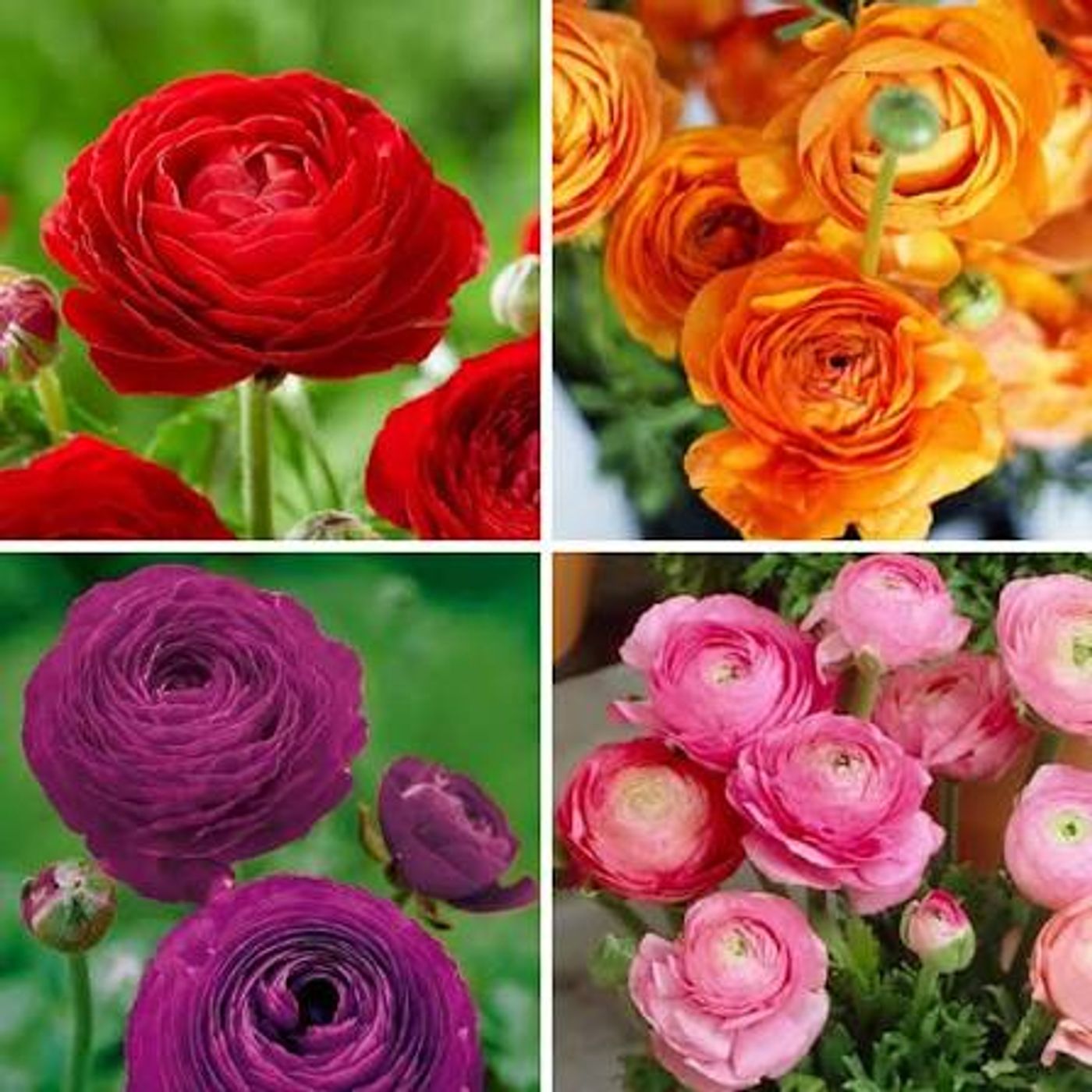
Ranunculus might be one of the prettiest flowers you have never paid much attention to. Their blooms are made up of layer upon layer of delicate petals, creating a full, almost paper-like appearance.
They are sometimes compared with roses or peonies because of their layered form, but ranunculus have a character of their own. Their intricate petals bring a softer, more delicate quality to an arrangement, and even a few stems can introduce considerable visual detail.
They are also more seasonal and can be more difficult to source than some common commercial flowers, meaning availability can vary depending on location and time of year.
There Is More to Flowers Than the Familiar
There is nothing wrong with loving roses. In fact, roses will probably remain among the most requested flowers for a very long time.
But knowing a little more about other flowers gives you more freedom when choosing a bouquet. It allows you to think about colour, texture, shape, seasonality and even the personality of the person receiving the arrangement.
The next time you order fresh flowers, ask your florist what is currently available, what is in season and what they would recommend if you wanted something different.
This is particularly important in Nigeria, where flower availability can change depending on season, supply chains, and sourcing conditions. A particular flower you saw in a photograph online may not be available when you are ready to order—and that is perfectly fine.
A good florist should be able to recommend a suitable alternative while preserving the color palette, shape, texture, and overall feeling you want the arrangement to convey.
You might just discover a new favorite.
And perhaps that is the real point: there is a whole world of flowers waiting to be explored.